

Worldwide, governments and industry leaders are concentrating on identifying ways to address energy and clean air issues in the face of major environmental, and healthy living trends that now drive how we all live and operate. Important considerations, especially for HVAC trends in 2024.
One area of focus is HVAC. HVAC systems provide heat, ventilation, and air conditioning for both residential and commercial buildings. They filter and clean indoor air to keep people healthy, comfortable and maintain optimal humidity levels.
With a focus on energy-efficient and clean air advancements, the HVAC industry is attempting to effectively address climate change and decarbonization concerns while also delivering safe, healthy, and comfortable-living conditions demanded by growing and increasingly urbanized populations.
As more energy efficient systems that reduce cost and energy wastage are implemented, we looked at the changes that are driving HVAC growth.
HVAC Trends: Net Zero and Decarbonization
The requirements to achieve net zero are unavoidable and are a significant challenge to buildings and construction industries. A 2019 report from the International Energy Agency (IEA) found that they are responsible for 30% of global energy consumption and nearly 40% of carbon emissions.
The Paris Agreement to limit global warming and reduce greenhouse gas emissions to achieve a climate neutral world by mid-century has driven new government policies to improve energy efficiency and clean energy innovations increasing investments in HVAC technologies around the world.

For example, Australia has instituted minimum energy performance standards and the Indian Bureau of Energy Efficiency and Labelling Standards is looking for manufacturers to actively adopt more advanced cooling technologies.
Meanwhile in Europe, countries are developing net zero strategies and in North America, the U.S. and Canadian governments are making grants and investments available for energy efficient technology development, as well as local government incentives and personal tax credits.
The private sector in response to consumer demands and shareholder pressure have also realised the need for net zero commitments and companies are pledging net zero emission targets and reevaluating their overall operations and building efficiencies.
This means that building construction and operations will want HVAC companies to provide energy-efficient or low CO2 emitting systems that meet net zero thresholds.
Covid-19
Since 2020 when Covid first hit the headlines and everybody’s lives, the world has changed. Some of the things it exposed was the correlation between HVAC systems and the spread of germs which has resulted in a good hard look at indoor environmental controls. Studies have claimed that HVAC systems are a probable spreader of the virus by recirculating contaminated air.
This has led to increases in inspections, testing, and cleaning and disinfecting of HVAC systems.
This increased awareness of indoor air quality has also led to new standards for better air filtering and ventilation, as well as monitoring.
For example, The American Society of Heating, Refrigerating and Air-Conditioning Engineers (ASHRAE) has set new guidelines for filtration rates and the Federation of European Heating, Ventilation and Air Conditioning Associations (REHVA) has made recommendations on safer HVAC units safer.

HVAC Trends: Infrastructure Needs, Population Growth and Changing Lifestyles
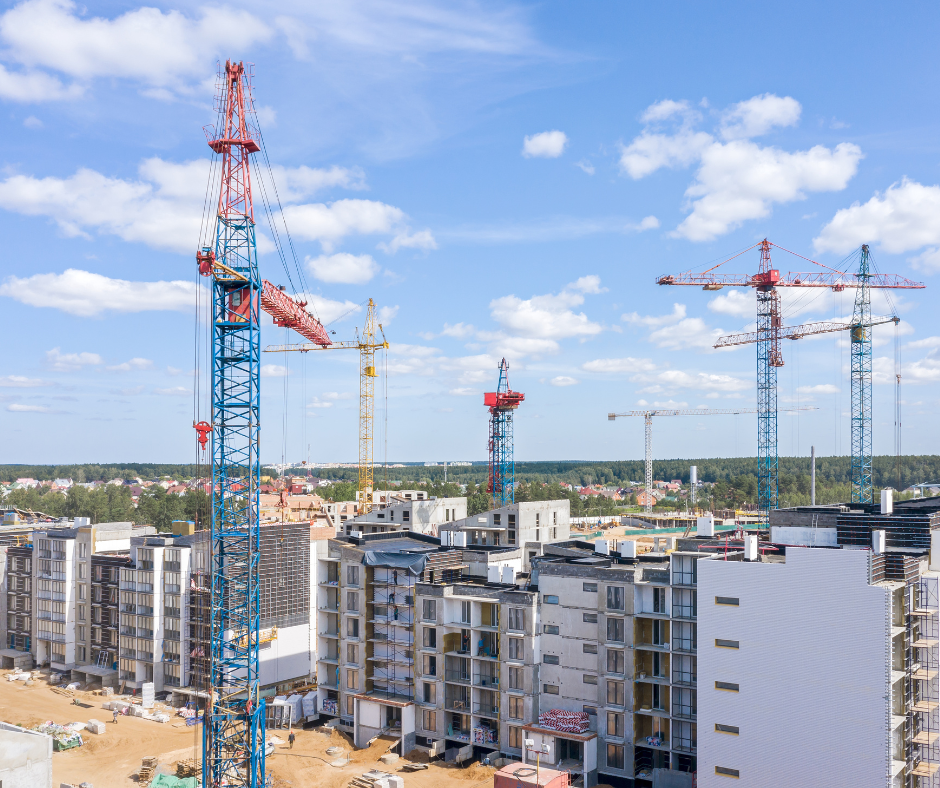
Residential and commercial growth and the infrastructure needed is increasing the demand for HVAC systems particularly in the Asia Pacific, Africa and the Middle East where changing lifestyles and commercial construction projects are driving this demand.
In Europe and the US, while there is growth in new installations and construction, the main element to this growth is maintenance and replacement of existing systems.
HVAC Market: A Look at Global Growth Projections
The global HVAC market comprising both residential and commercial sales is forecast to reach $270 billion between 2025-2030 with a projected compound annual growth (CAGR) rate of 5.3% over the next 4-9 years.
The commercial market is expected to hit $29.4 billion by 2026 showing a 6% CAGR between 2020-2026.
Design Challenges
Along with the forecast growth, HVAC designers are being required to design high energy efficient systems. These designs are being impacted by other challenges. HVAC systems need to be designed to withstand harsh conditions, both hot and cold, and being able to deal with dust and debris, limit condensation and humidity and reduce corrosion.
HVAC systems need to be maintained and designs must incorporate ease of repair, maintenance and retrofitting.
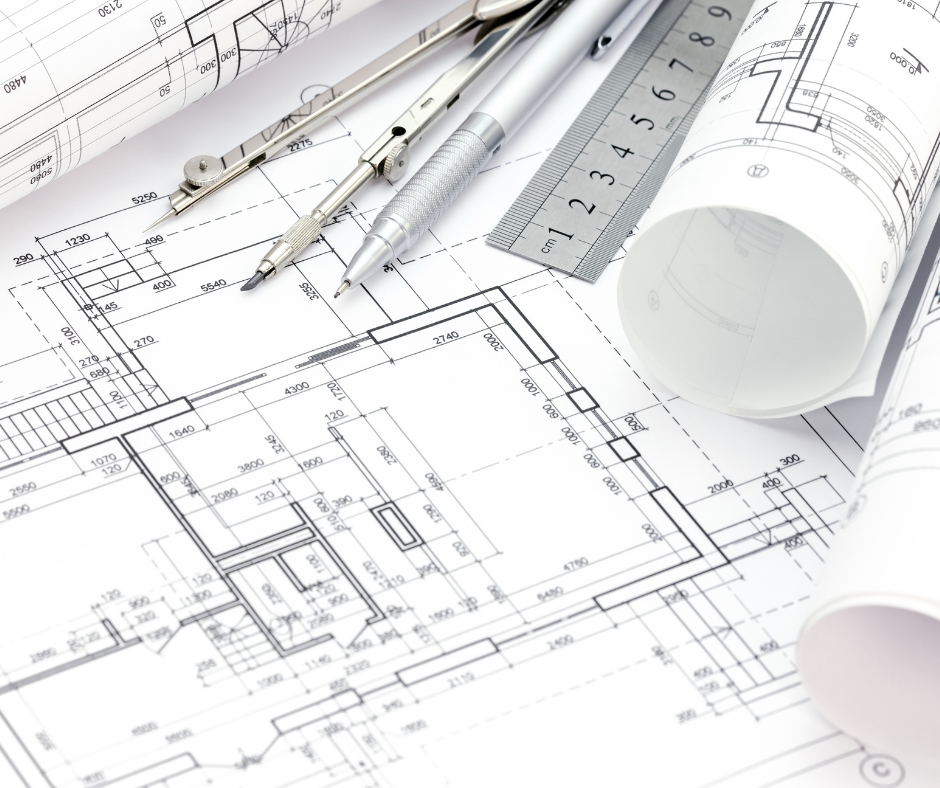
Designers also must also pay close attention to controlled ventilation, dehumidification, and filtration within the system, key areas for upgrades. For example, recommendations have been made that fixed-speed motors should be replaced with variable-speed motors to give more effective air flow control.
Smart systems need to collect data, process it and control the system. These should also allow users access to emissions, energy usage and cost data.
Whatever the future of the HVAC industry, one thing stands out. That is that ACS will continue keeping abreast of developments ensuring that we have a range of products from industry leaders and services to make your HVAC projects and installations run smoothly.
Contact us to discuss your needs.